


Nyílt képzés

Stakeholder Management Training Journey

Stakeholder Management Training Journey - Great ideas rarely fail because they are wrong. They fail because people are not aligned around them. This 2-day program will help you understand how to influence, engage and collaborate with stakeholders so that good ideas actually succeed.

What is the training about?

Great ideas rarely fail because they are wrong. They fail because people are not aligned around them. This 2-day programme program will help you understand how to influence, engage and collaborate with stakeholders so that good ideas actually succeed.

We will equip you with the skills you need to enhance your own performance, build your communication skills and stakeholder management techniques, develop an effective stakeholder communication strategy and deliver business results. The overall goal is to understand how to manage stakeholders efficiently: investigate, understand, take in consideration and even exploit information about people impacting our projects or tasks.

By attending this influencing stakeholder training you will develop the skills and capability to influence and manage stakeholders and through a range of tools and techniques, effectively increase their readiness to change and overcome resistance.

There are 4 main phases of the training:

1. Stakeholders

Stakeholder Analysis is about identifying all persons, groups and organizations who may have an interest in a project and taking steps to manage their interests and expectations so that the project runs as smoothly as possible. The main question here is how to identify and analyze stakeholder needs and create a stakeholder management plan for your project and process:

  • Analysing interest groups (identifying challenges)
  • Profiling stakeholders
  • Stakeholder management tamplate and matrix
  • Stakeholder handling strategies


2. Building and activating sponsorship

Projects and initiatives rarely succeed without visible support from key decision-makers. This module focuses on how to recognize, engage, and strengthen that support.

  • Understanding the role and impact of sponsors
  • Approaches to gaining and sustaining commitment
  • Navigating important conversations with senior stakeholders
  • Preparing effectively for high-impact discussions
  • Ethical influencing in a professional and responsible way


3. Motivation without power (intrinsic motivation)

How can we influence motivation when authority alone is not enough? My attitude influences the quality of collaboration

  • Understanding what really drives people and recognizing the human needs behind behaviour
  • Exploring the sources of inner motivation at work
  • Reflecting on your own motivational drivers – using the top 3 motivation theories
  • Turning insights into practical actions for everyday collaboration
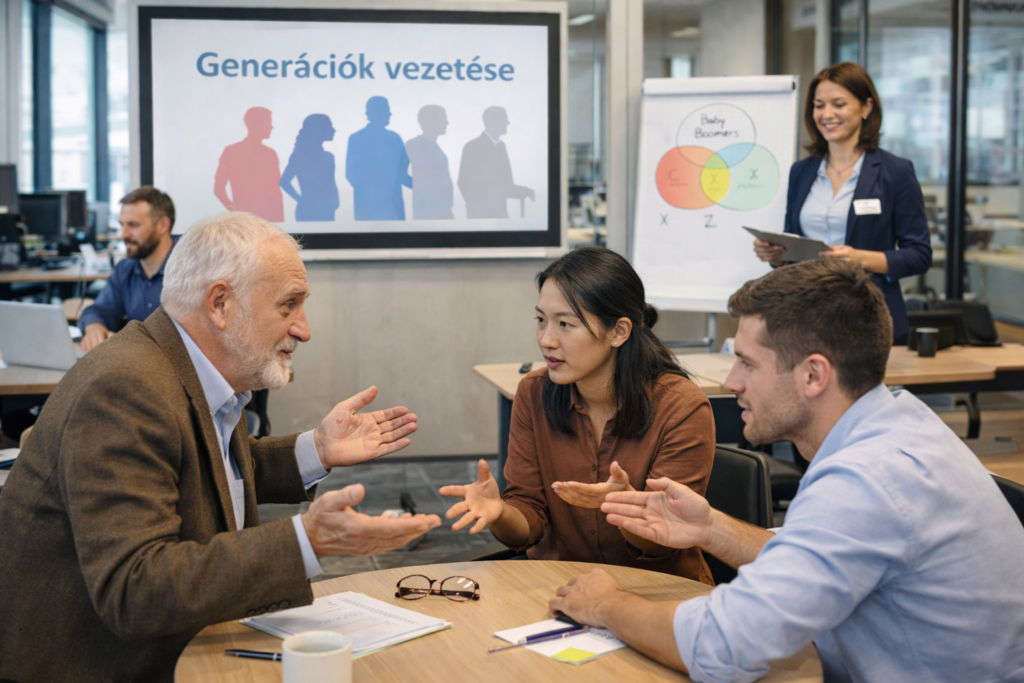
  • Understanding and managing generational differences in motivation

This section invites you to look beyond external incentives and discover how mindset, awareness and small behavioural changes can strengthen motivation and cooperation.


4. Effective collaboration – in-person and virtual

Successful work rarely happens in isolation. This part explores how collaboration can be structured so that teams work efficiently, make good decisions, and handle challenges constructively.

  • Understanding 5 stages of team development what turns a group into a team
  • Identifying behaviours that strengthen or weaken collaboration
  • Navigating disagreements and difficult moments in a productive way
  • Conflict management techniques – reflecting on your own collaboration style
  • Managing collaboration across different generational expectations
  • Meeting technics: managing time and participants

Competencies we develop:

    • Managing conflicts
    • Collaboration techniques
    • Assertiveness
    • Planning: environment analysis
    • Change management
    • Ownership approach
    • Agility and adaptivity
    • Communication to colleagues and stakeholders
    • How to build trust
    • Critical thinking
    • More confident decision making
Training instructor:

Edina Tóthné Pap

Trainer, Consultant, Coach

Megosztás

Információk

Következő képzés ideje
2026. 06. 04 -2026. 06.05.
Képzés helyszíne
Budapest,
Részvételi díj
210.000 Ft + ÁFA

Érdeklődjön a képzés szervezőjénél

Manisz Zaharula

+36 30 476 3748

Jelentkezés

"*" a kötelező mezőket jelöli

Hidden
Ez a mező az érvényesítéshez van és üresen kell hagyni.

Ismerje meg további képzéseinket is!

expand_less